
Learning to drive is one of the biggest milestones in a young person’s life and for many adults picking up driving later on, it can feel just as significant. But before you get behind the wheel with confidence, there’s an important decision to make: choosing the right driving instructor.
Not all driving lessons are created equal. The right instructor can mean the difference between a stressful, drawn-out learning experience and a smooth, confident path to getting your license. At Jaswinder Driving School, we’ve worked with hundreds of learner drivers, and we know exactly what separates a great lesson from an average one. Here’s what to look for when choosing a driving instructor and why it matters more than most learners realize.
Why Choosing the Right Instructor Matters
Many learner drivers assume that any accredited instructor will do the job. Technically, that’s true, but practically, it’s not the full picture. Driving is a skill built on confidence, muscle memory, and calm decision-making under pressure. If your instructor doesn’t communicate clearly, doesn’t tailor lessons to your pace, or creates unnecessary stress in the car, your progress will be slower and your confidence lower.
A good instructor doesn’t just teach you how to operate a vehicle. They teach you how to read traffic, anticipate hazards, stay calm in tricky situations, and build the kind of instinctive awareness that keeps you safe long after you’ve passed your test.
1. Check Their Accreditation and Experience
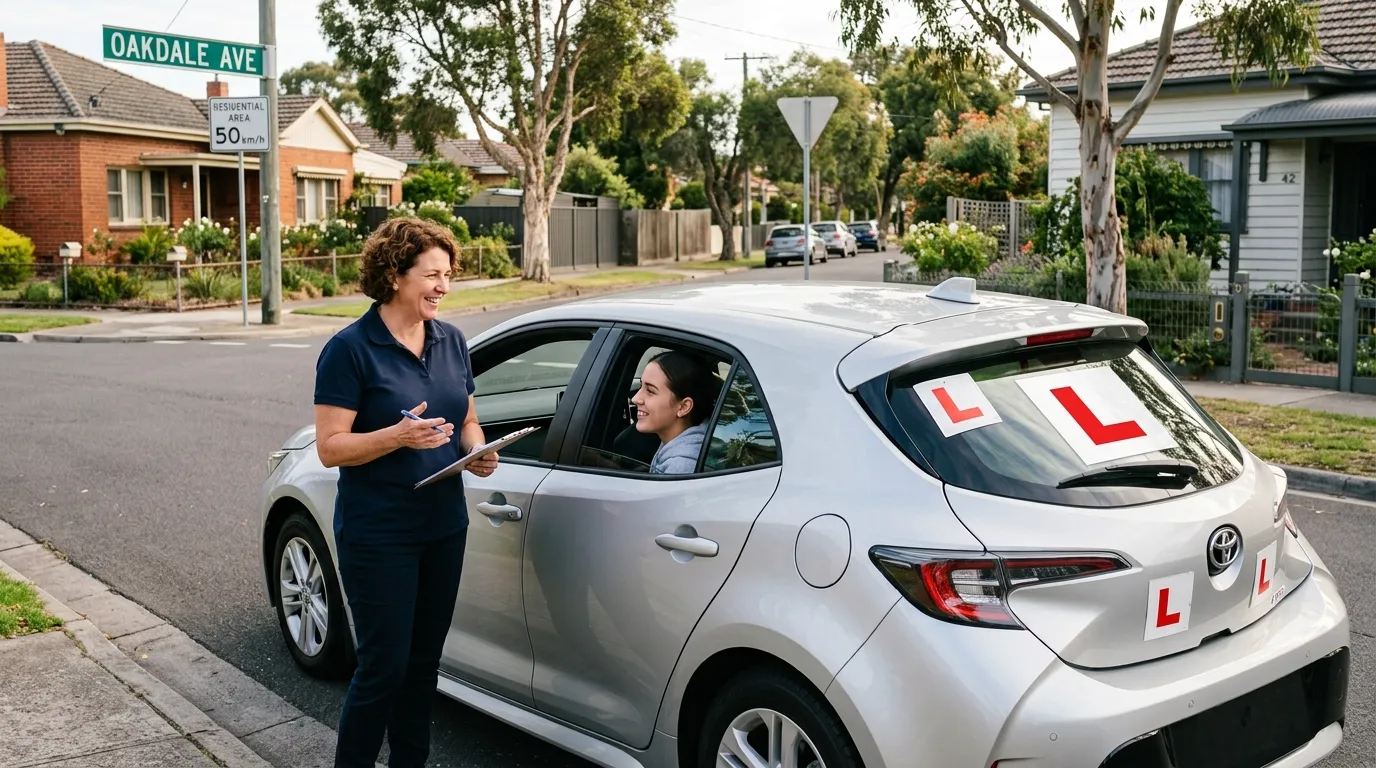
This is the non-negotiable first step. In Australia, driving instructors must hold a valid instructor license issued by the relevant state or territory authority. Beyond the paperwork, experience matters just as much.
Ask how long they’ve been teaching, how many students they’ve taken through to their license, and whether they specialize in nervous beginners, test preparation, or refresher lessons for lapsed drivers. An instructor who’s seen it all will know how to adjust their teaching style to suit different personalities and learning speeds.
2. Look for Patience and Clear Communication
Driving lessons can be nerve-wracking, especially in the early stages. The best instructors understand this and create a calm, judgment-free environment. They explain instructions clearly and give feedback in a constructive way, rather than reacting with frustration when a student makes a mistake.
If you’re booking a trial lesson, pay attention to how the instructor communicates. Do they explain the “why” behind each maneuver? Do they check in on how you’re feeling? Do they adjust their pace based on your comfort level? These small details often reveal a lot about the overall teaching quality you can expect.
3. Ask About Their Teaching Structure
A structured lesson plan makes a significant difference to how quickly you progress. Rather than repeating the same basic exercises every lesson, a good instructor will have a clear progression starting with vehicle control and low-speed maneuvers, moving into suburban driving, then building up to more complex environments like highways, roundabouts, and peak-hour traffic.
At Jaswinder Driving School, every learner follows a structured program tailored to their current skill level, with clear milestones so both the student and instructor can track progress toward test readiness.
4. Consider the Vehicle
The car you learn in matters more than most people expect. Dual-control vehicles allow the instructor to safely intervene if needed, which is especially reassuring in the early stages of learning. It’s also worth checking that the vehicle is well-maintained, comfortable, and similar to what you’ll likely drive after getting your license, automatic or manual, depending on your goals.
5. Look for Test-Day Familiarity
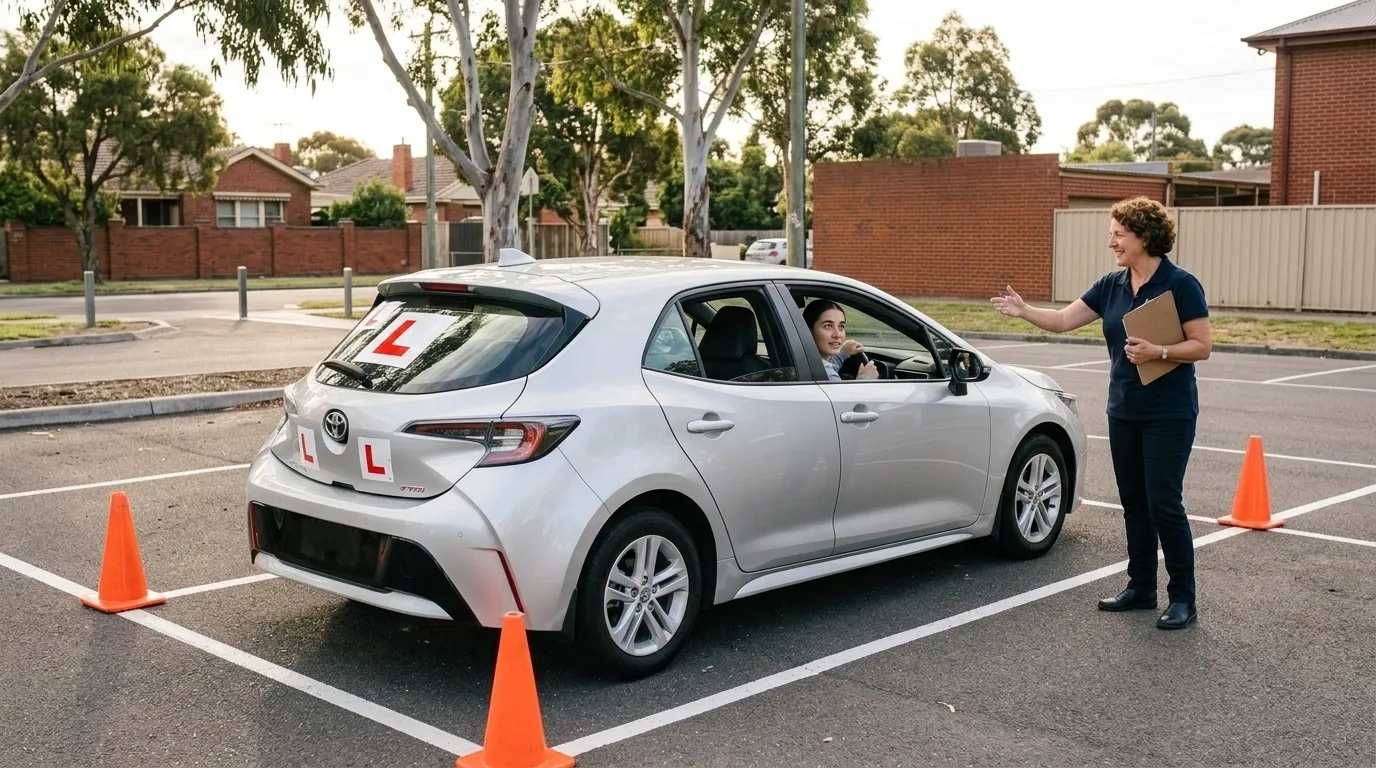
If your main goal is passing your driving test, choose an instructor who is familiar with local testing routes and requirements. They should be able to prepare you for the specific maneuvers and scenarios assessors commonly look for and help you manage nerves on the day itself.
Many learners find that a few lessons close to their test date focused specifically on mock test conditions make a noticeable difference to their confidence and performance.
6. Read Reviews and Ask for Recommendations
Word of mouth remains one of the most reliable ways to judge a driving school’s quality. Look at online reviews, ask friends or family who’ve recently learned to drive, and pay attention to specific comments about patience, professionalism, and pass rates.
A driving school with a strong reputation built over years of consistent results is generally a safer bet than one with limited feedback or mixed reviews.
7. Flexibility Around Scheduling
Life gets busy, especially for students juggling school, work, or family commitments. A driving school that offers flexible scheduling, including evenings, weekends, or short-notice bookings, makes it far easier to stay consistent with lessons, which is one of the biggest factors in how quickly you progress.
Common Mistakes Learner Drivers Make When Choosing an Instructor
- Choosing based on price alone. The cheapest option isn’t always the best value if it means slower progress or having to book extra lessons later.
- Not asking about pass rates. A reputable instructor should be happy to share general success rates or testimonials.
- Ignoring compatibility. Learning style matters. Some students thrive with a highly structured approach, while others do better with a more relaxed, conversational teaching style.
- Overlooking dual-control vehicles. Especially important for nervous or first-time drivers.
Why Learners Choose Jaswinder Driving School
At Jaswinder Driving School, our approach is built around patience, structure, and genuine care for each learner’s progress. We work with students of all experience levels, from complete beginners to those returning after a break or preparing intensively for an upcoming test.
Our instructors are fully accredited, experienced across a wide range of teaching styles, and committed to building not just competent drivers, but confident, safety-conscious ones. Every lesson is tailored to the individual, with clear communication and a calm, supportive environment from the very first session.
No matter which suburb you’re learning in, having an instructor who knows the local roads well can make a real difference to your progress. We proudly offer lessons through our Driving School in Savanna, Driving School in Point Cook, Driving School in West, Driving School in Werribee, Driving School in Wyndham Vale, and Driving School in Truganina pages, so learners across the region can train on the very roads, roundabouts, and intersections they’ll encounter on test day.
FAQs: How to Choose the Right Driving Instructor
1. How do I know if a driving instructor is properly accredited?
In Australia, all driving instructors must hold a valid instructor license issued by their state or territory’s road authority. You can ask the instructor or driving school directly for their license details or check with the relevant authority if you’d like to verify accreditation before booking lessons.
2. How many lessons do I need before I’m ready for my driving test?
This varies from person to person and depends on prior experience, confidence level, and how often you practice outside of lessons. As a general guide, most learners benefit from regular weekly lessons over several months, with a few dedicated mock-test sessions closer to their test date.
3. Should I choose an automatic or manual car for lessons?
This depends on your goals. If you’re happy to drive automatic vehicles long-term, learning in an automatic can simplify the early stages of driving. If you want the flexibility to drive either type of vehicle, learning in a manual car is generally recommended, since a manual license allows you to drive both automatic and manual vehicles later.
4. What should I look for in a trial or first lesson?
Pay attention to how clearly the instructor communicates, how patient they are with questions or mistakes, and whether they explain the reasoning behind instructions rather than just giving commands. A good first lesson should leave you feeling more confident, not more anxious.
5. Can I switch driving instructors partway through my learning journey?
Yes. It’s common for learners to switch instructors if the teaching style isn’t the right fit, or if they want a fresh perspective closer to their test date. A good driving school will be able to review your progress and adjust lessons accordingly.
6. Do driving instructors help with test-day preparation specifically?
Many do, and it’s worth asking directly. Test-specific preparation often includes practicing on or near common testing routes, running through likely maneuvers, and completing mock tests under similar conditions to the real assessment.
7. What’s the benefit of a dual-control vehicle for lessons?
Dual-control cars allow the instructor to safely intervene using their own set of pedals if needed. This is particularly reassuring for nervous beginners, as it adds an extra layer of safety while you build confidence behind the wheel.
8. How do I book a lesson with Jaswinder Driving School?
Simply get in touch with us directly to discuss your experience level, availability, and goals. We’ll help you find a suitable lesson schedule and match you with an instructor and teaching approach that fits your needs.